
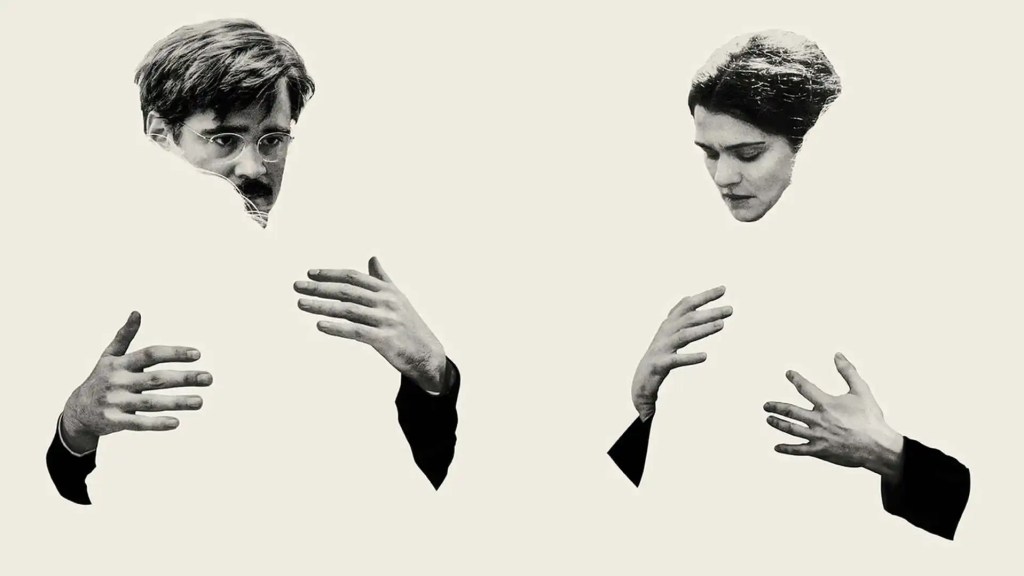
Yorgos Lanthimos · Colin Farrell, Olivia Colman, Rachel Weisz, Léa Seydoux · R · 1h 59m
In the realm of unconventional love stories, Yorgos Lanthimos’ “The Lobster” stands as a bold and enigmatic masterpiece that defies all conventional norms and expectations. This darkly satirical exploration of love, loneliness, and societal pressures is a cinematic gem that leaves a lasting impression on anyone daring to venture into its eccentric world. From its mesmerizing cinematography to its hauntingly beautiful score, “The Lobster” is a visual and emotional journey that captivates the audience from start to finish.
The first thing that strikes you about “The Lobster” is its stunning cinematography. Thimios Bakatakis, the film’s director of photography, deserves immense praise for his exceptional work. The film is set in a dystopian future where single people are given 45 days to find a romantic partner, or else they are transformed into an animal of their choice. Bakatakis creates a hauntingly beautiful world where every frame feels meticulously composed.
Wide-angle shots capture the vastness of the barren landscapes, emphasizing the desolation of the characters’ lives. The landscapes, ranging from the bleak countryside to the sterile interiors of the hotel, serve as powerful metaphors for the characters’ emotional states. The camera work provides a sense of unease, effectively drawing the audience into this strange and unsettling world.
The nighttime scenes are awe-inspiring, with Bakatakis using low lighting to create an atmosphere of mystery and suspense. The contrast between darkness and light adds depth to the film’s emotional themes, symbolizing the characters’ journey from isolation to connection.
One notable aspect of the film’s camera work is the use of low-angle shots. This perspective, often used when the characters are in the woods, makes the characters appear small and vulnerable against the towering trees and the vast, empty landscape. It reinforces the idea that they are trapped in a world that is much larger and more powerful than they are.
Conversely, high-angle shots are employed when characters are in the hotel, making them seem small and insignificant within the rigid structure of the institution. These camera angles serve as a visual representation of the character’s lack of agency and control over their own lives.
The choice of color palette in “The Lobster” is also very symbolic. The film uses a muted and desaturated color scheme dominated by grey, beige, and white tones. This color palette reflects the emotional emptiness and appropriateness of the characters’ lives within the society depicted in the film.
Wide-angle shots capture the vastness of the barren landscapes, emphasizing the desolation of the characters’ lives.
One of Lanthimos’ strengths as a director is his ability to create an atmosphere of ambiguity and unease. He does this by employing a dry and expressionless style of dialogue delivery that adds an absurd and surreal quality to the interactions between characters. This style of dialogue serves to highlight the characters’ emotional repression and their desperate attempts to conform to societal norms.
“The Lobster” is not a conventional love story; it is a dark and thought-provoking exploration of the human desire for connection and the lengths to which society will go to enforce its norms. It is a film that lingers in the mind long after the credits roll, inviting viewers to reflect on the nature of love, identity, and the absurdity of the world we inhabit. In its own eccentric and haunting way, “The Lobster” is a triumph of cinematic artistry and storytelling that deserves to be celebrated and cherished by audiences willing to dive into its enigmatic depths.
 Auteur Avenue